Christian Mysticism
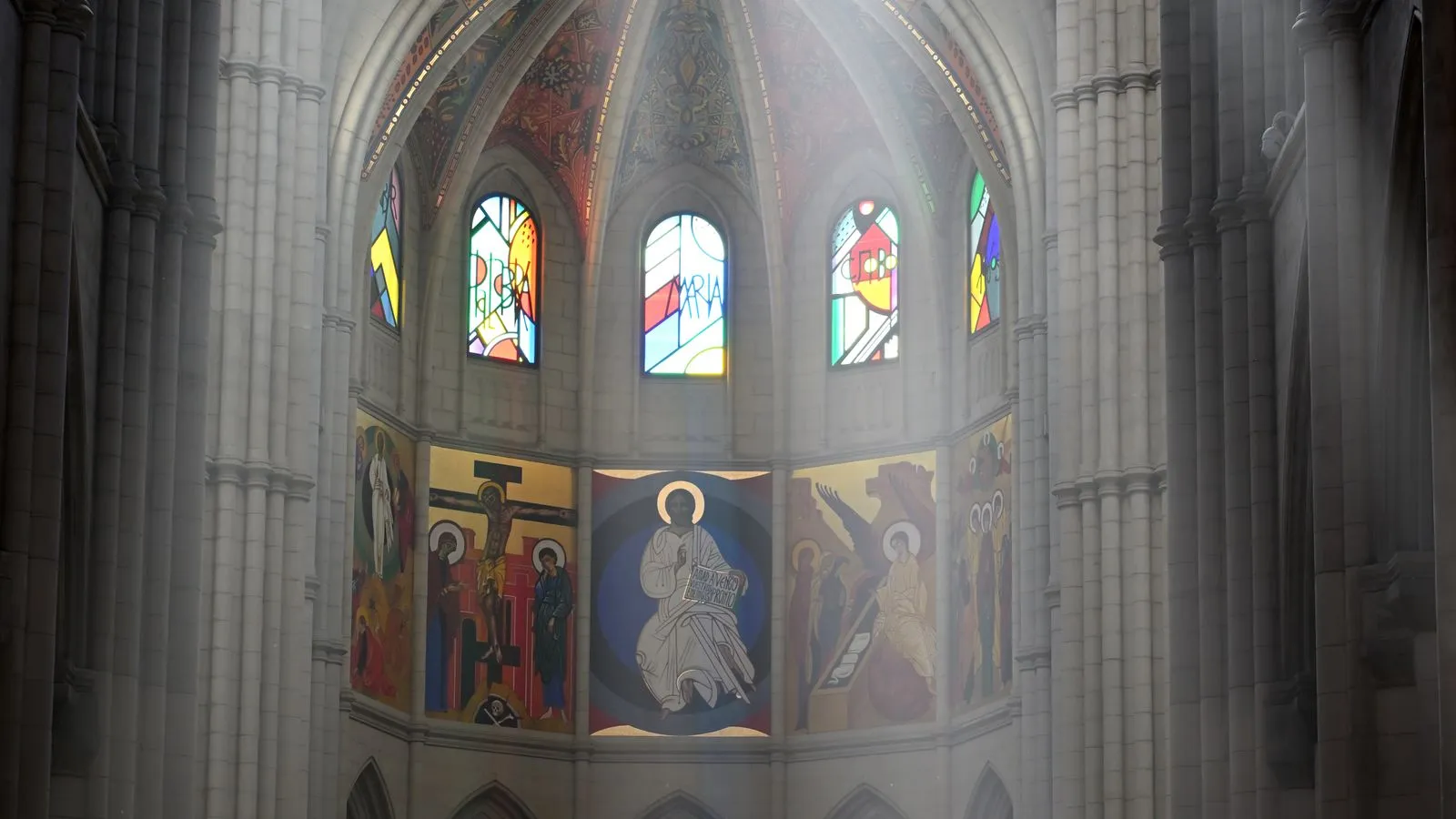
Christian mysticism speaks of union with God, theosis, and the dissolution of the separate will into divine love—often while retaining personal relationship with the sacred.
Core themes
Section titled “Core themes”- God as ultimate reality and ground of being
- The self transformed in love, not merely erased
- Apophatic (unsaying) theology: God beyond concepts
Common practices
Section titled “Common practices”- Contemplative prayer and silent waiting
- Lectio divina (sacred reading)
- Service, confession, and community worship
Distinctive emphasis
Section titled “Distinctive emphasis”Devotional love, incarnation, and ethics of neighbor-care. Nonduality appears within relationship to God and world, not only as impersonal awareness.
Comparative note
Section titled “Comparative note”Overlap with nondual maps is real but not total. Christian mysticism often retains divine personhood, sin, grace, and embodiment in distinct theological frames.